Pay to win is the most overused accusation in free-to-play games, and the least useful one when it's thrown at everything with a store. Of the ten free-to-play PC games we've reviewed, four let money buy an edge over other players, two sell time, two sell characters you'll only ever use against the game itself, and two sell little beyond the way you look. That split matters more than any single score, because it tells you which game will ask for your wallet at exactly the moment you care about winning.
What Counts as Pay-to-Win in This Report Card
The test here is narrow on purpose. A game is pay-to-win when money buys an advantage in a fight against another player, and this report card names what that advantage is. Spending that only shortens a grind is pay-to-progress: it can still be expensive and still be frustrating, but the player who waits eventually reaches the same place. Characters bought through a gacha that only matter in PvE sit in their own category, since the opponent they help you beat is the game. Everything else, outfits, skins, battle pass cosmetics, is cosmetic spending.
Each verdict below comes from the monetization analysis in our full review of that game, as of October 2026. Stores change faster than reviews, so treat the prices and packages named here as a snapshot, and check the game's own store before you spend.
Pay-to-Win: The Free-to-Play Games Where Money Buys Power
Rise of Kingdoms
Rise of Kingdoms sells progress that carries into fights between players, and its own guides show where. Buildings, technologies, and troop training can be finished instantly with gems, which the game's US App Store listing sold in packs such as 1050 gems for $4.99 in October 2026, even though a guide posted by the official account on Lilith's forum in October 2026 calls instant completion poor value.
Sculptures, the items that upgrade commanders, are on sale too: Lilith's patch notes for version 1.0.98, August 2025, describe a Daily Special Offer bundle with guaranteed sculptures for a chosen commander, and a spending guide the official account posted on Lilith's forum in October 2026 puts one Legendary Commander Sculpture at about 2,000 gems, or $9, as a reference estimate.
VIP points can be earned without paying, through daily login rewards, Alliance Chests, or gems, but certain bundles sell them as well, and the levels carry combat stats: before update 1.0.87 in October 2024, Lilith's developers said the new VIP 19 would add 5% troop attack and 5% unit training speed. Alliance help keeps free accounts in the race on timers, with help received up to 30 times at Alliance Center level 25, according to an alliance guide from the same account and month.
On the game's Google Play page in October 2026, one featured review from July 2026, marked helpful by 25 users, says that maxing one legendary commander can take a free player over a year; that's a single review, not a measure of the player base. Rignetic carries a partner offer for Rise of Kingdoms; it has no bearing on where the game sits here, and our Rise of Kingdoms review covers the game at greater length.
RAID: Shadow Legends
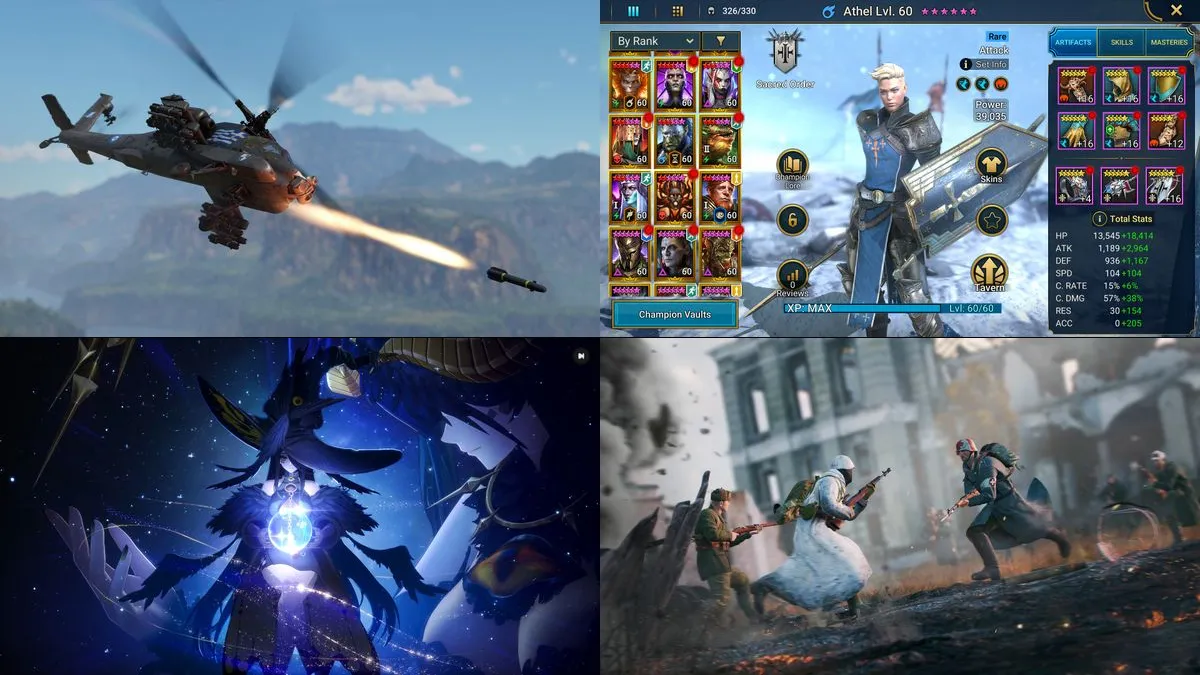
RAID: Shadow Legends earns the label in one specific place. Its PvE is reachable for free at a slower pace, but Arena rankings scale with roster depth and gear investment far more directly than with skill, so the competitive ladder measures account value as much as play. The roster itself comes from a summoning system in which the shards that produce the champions worth using lean heavily on paid bundles, and drop rates above Rare are stingy enough that "whale or wait" describes the mid-to-late game honestly. Compared to genre peers like AFK Arena or Epic Seven, RAID is the more aggressive spender's game. The summoning economy that feeds that roster is covered in our RAID: Shadow Legends review.
Star Trek Fleet Command
Star Trek Fleet Command goes further. Its store leans on expensive packs, with two listed at $99.99 on its US App Store page in October 2026, alongside packs named for ship enhancements and station upgrades and a Peace Shield pack that sells protection from attack, in a game where other players can attack your ships from Operations level 10. In a September 2025 reply to a Google Play review, Scopely said it would look into feedback on pack prices, but that isn't a fix. What the store sells beyond time is laid out in our Star Trek Fleet Command review.
Project Entropy
Project Entropy rounds out the group. Its economy leans on loot boxes and premium currency in a way that changes outcomes in competitive PvP, not just how fast you get there, and that fault line splits its Steam reviews almost exactly: players who settled into an alliance rate it well, players who hit the grind wall early don't. Our Project Entropy review explains where the wall sits.
Pay-to-Progress: Where Money Buys Time, Not Wins
War Thunder
War Thunder sells speed. A premium account roughly halves the Research Point grind, but it only modestly pads the Silver Lions needed to buy vehicles, so even paying players run short on the currency that turns unlocks into usable tanks and planes. Matchmaking by battle rating keeps money from deciding fights directly; what it decides is how long you spend getting to the vehicles you want. Gaijin's history with its economy, including the May 2023 backlash, is covered in our War Thunder review.
Enlisted
Enlisted follows the same pattern with a twist. Premium squads cost money and grant bonus experience and Silver, but they aren't stat monsters that outgun what you unlock for free. The pressure comes from slow base progression and limited-time events whose unlocks can later be chased only through premium currency or loot-box-style rolls. That's pay-to-not-grind and pay-to-not-miss-out, as our Enlisted review puts it, not pay-to-win.
Gacha Power That Stays in PvE
Arknights: Endfield
Arknights: Endfield sells operators through a gacha, and nothing it sells blocks progress or decides a fight against another player. Regular play, story missions, and events provide a steady flow of pulls. The criticism is transparency: currencies split across too many categories, and drop rates and pity progress that are harder to read than they should be, as our Arknights: Endfield review notes.
NTE: Neverness to Everness
NTE: Neverness to Everness has one of the fairer floors in the genre. Its pull system guarantees the featured S-rank on a banner instead of a 50/50 coin flip, with soft pity at 70 pulls and a hard guarantee at 90, and the game is playable without spending. Where the meter turns is cosmetics, with exclusive banner outfits behind 50, 120, and 200-pull milestones, covered in our NTE: Neverness to Everness review.
Where Money Mostly Buys Looks
Where Winds Meet
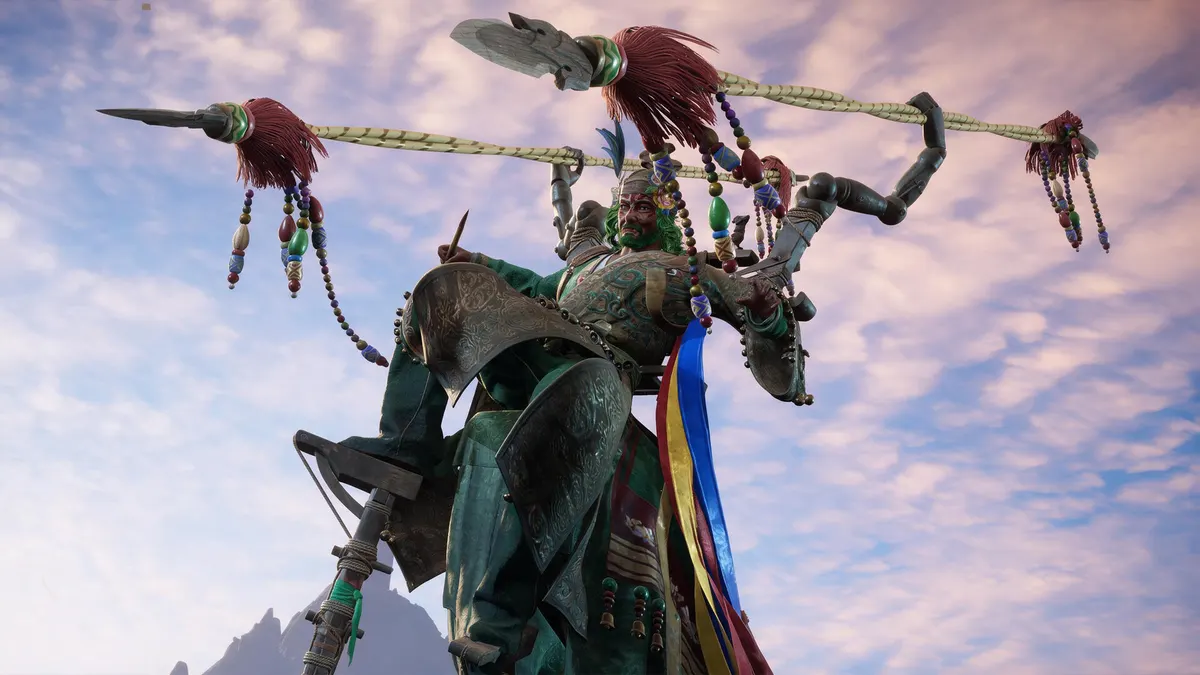
Where Winds Meet does not sell power. Its shop is cosmetics and a battle pass, endgame gear is earned through play, and the studio has been explicit that gameplay advantage isn't for sale. The asterisk is pricing on individual cosmetic items and gacha-style outfit draws, which get expensive fast for players chasing the flashiest looks. Judged on whether you can compete and progress without paying, it's among the most generous big-budget free-to-play games available, as our Where Winds Meet review argues.
Once Human
Once Human is just as restrained in its store. The battle pass's paid track is cosmetic-only, blueprints for the strongest gear are earned through play, and even its cosmetic currency can be earned for free. What it asks of players isn't money but patience with seasonal resets, which our Once Human review weighs against that fair store.
How to Read a Free-to-Play Store Before You Spend
The four categories above come from full reviews, but the same test works on any free-to-play game in a few minutes. Start with the question that decides the label: does anything in the store change a fight against another player, whether that's a stat-boosting item, a character only available for money, or a resource that can't be earned at a reasonable pace? If the answer is no, the worst the game can do is cost you time or tempt you with cosmetics.
Then look at the slower pressures. Check whether the premium currency can be earned through play and at what rate, and what the paid track of the battle pass actually contains. In a gacha, find the pity rules and whether they're disclosed in the game or only reverse-engineered by players; Endfield and NTE land differently on that test even though both sell characters. Finally, look for a ceiling. Games with no practical cap on spending are the ones where the gap between paying and free accounts keeps growing the longer you play.
Verdict
If you want a free-to-play game where your wallet never decides a fight, start with Where Winds Meet or Once Human, and accept that their stores will still tempt you with cosmetics. If you're happy to trade time for progress against opponents matched to your level, War Thunder and Enlisted will ask for patience before they ask for money. Arknights: Endfield and NTE suit players who want gacha collecting without PvP stakes, as long as they set a budget before the first banner. The four pay-to-win games, Rise of Kingdoms, RAID: Shadow Legends, Star Trek Fleet Command, and Project Entropy, still have a lot to offer players who stay in PvE or lean on an alliance, but anyone who wants to compete at the top of their ladders for free should look elsewhere.